Donor Retention: The Line Item Missing From Most Fundraising Budgets
— March 20, 2026 — 4 min read
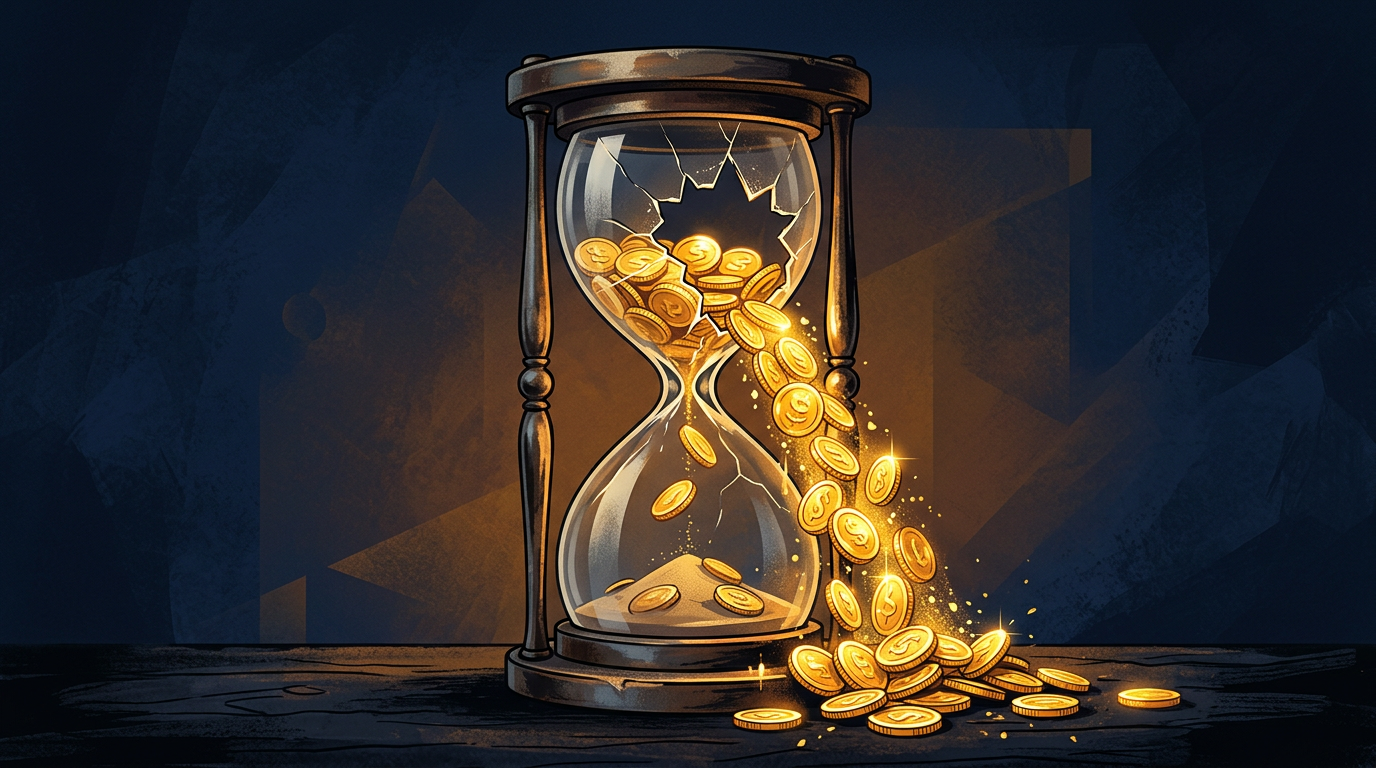
The Leaky Bucket Is a Line on Your P&L
Roughly four in five first-time donors never give again. The Fundraising Effectiveness Project's 2024 data puts first-time donor retention at about 19 percent. For every 100 new donors you spend thousands acquiring, about 80 don't give again before the next fiscal year.
A subscription business with those numbers wouldn't survive its next board meeting. In development offices it's the baseline nobody puts on the dashboard.
The Acquisition Addiction
The problem is structural. Most fundraising shops are wired for acquisition. The annual gala, the direct mail blitz, the peer-to-peer campaign: all engineered to bring in new names. And it works, briefly. You get a sugar rush of first-time gifts, your board celebrates the gross revenue number, and nobody asks the uncomfortable question: where did last year's donors go?
Adrian Sargeant's donor lifetime value research found that a 10 percent improvement in attrition can raise the projected value of a donor file by as much as 200 percent (Nonprofit Quarterly, "Donor Retention: What Do We Know & What Can We Do about It?", 2013). Run that against your own file: what does keeping 10 more donors out of every 100 do to next year's revenue?
Two Files, Five Years Out
Take two organizations with 1,000 donors each and no new acquisition for five years:
- Organization A retains 40 percent of donors year over year (close to the overall rate the Fundraising Effectiveness Project reports)
- Organization B retains 60 percent
Run both files forward. At 40 percent retention, 1,000 donors are down to about 10 after five years (1,000 times 0.4 to the fifth power). At 60 percent, about 78. That's illustrative arithmetic, not a study, and the gap is the whole case for a retention line in the budget.
The Three Retention Levers
1. Get the thank-you out inside 48 hours
Not the tax receipt. A note that names the gift and what it paid for. Set a two-day acknowledgment target and report on it every month. If the number slips, that's the first thing to fix, before any new appeal goes out.
2. Show impact, not need
The biggest mistake in donor communication is leading with how much you still need. Retained donors want to see what their money did. Move from "we need $50,000" to "your $100 provided 400 meals last quarter."
3. Segment ruthlessly
A $25 first-time online donor and a $5,000 annual gala attendee are not the same person. They shouldn't receive the same email. Run at least five tracks, split by giving level, recency, and channel, and write each one as if it were the only email that donor gets from you this month.
The Technology Gap
Most nonprofits can't calculate their retention rate without a spreadsheet exercise. Their donor data lives in spreadsheets, their communication history is scattered across three platforms, and nobody has one view of a donor's giving over time.
Before you launch another acquisition campaign, make sure your CRM can answer one question: of the donors who gave last year, how many have given again this year? If you can't answer that in under 30 seconds, you have a technology problem masquerading as a fundraising problem.
What the Retention Line Looks Like in the Budget
Acquisition is glamorous. Retention is profitable. Write it into the budget as three items, each with an owner and a monthly number: a two-day acknowledgment target, a sustainer program with its own renewal rate, and one lapsed-donor list worked every month.
The list is the easy part once giving history sits on the contact. In FundraiserMax, a smart segment with two rules (last gift date more than 12 months ago, gift count of at least one) is the lapsed file. The development director pulls it on the first of the month and the calls start from there.
Tags: donor retention, fundraising strategy, nonprofit management, donor engagement
 Donor Advised Funds and Nonprofits: How to Earn More DAF Grants in 2026
 Recurring Giving for Nonprofits and Campaigns: Setup, Retention, and Compliance
 Small-Dollar Fundraising: What Political Campaigns Do That Nonprofits Don't