FEC Compliance in 2026: The Filing Calendar, the $3,500 Limit, and Three Treasurer Errors
— March 16, 2026 — 4 min read
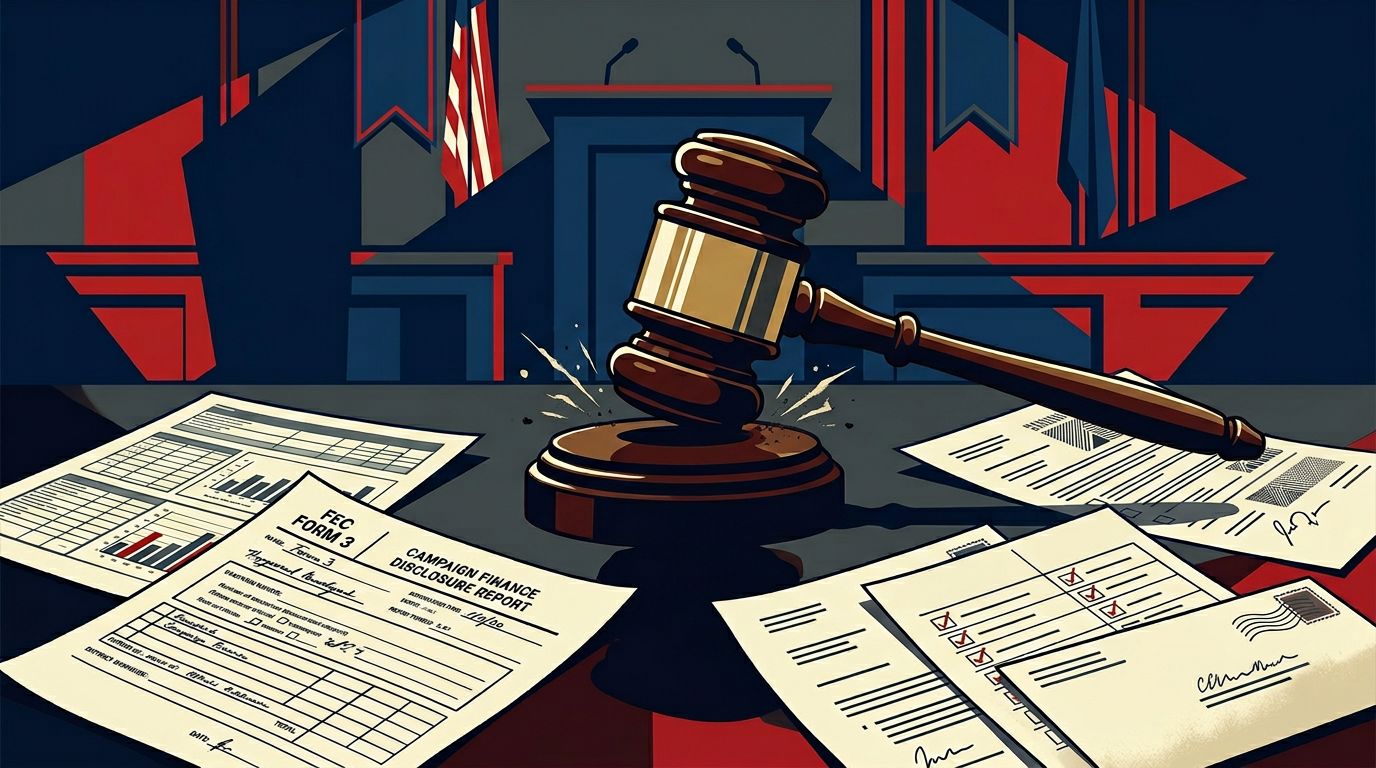
What a Late Report Costs
The FEC's Administrative Fines Program sets late-filing penalties by formula: election sensitivity, days late, the committee's receipts plus disbursements, and prior violations. Nobody waives it because you were busy. If your reporting still lives in a spreadsheet, the formula is waiting for you.
If you run a federal candidate committee or a PAC on the quarterly schedule, the calendar below isn't negotiable. Monthly filers have their own dates on the same FEC page.
The 2026 Filing Calendar for Quarterly Filers
- January 31, 2026: Year-end report (books close December 31, 2025)
- April 15, 2026: Q1 quarterly report (books close March 31)
- July 15, 2026: Q2 quarterly report (books close June 30)
- October 15, 2026: Q3 quarterly report (books close September 30)
- October 22, 2026: Pre-general report (books close October 14)
- December 3, 2026: Post-general report (books close November 23)
- January 31, 2027: Year-end report (books close December 31, 2026)
Pre-primary reports depend on your state's primary date; check the FEC's 2026 schedule for your state. The pre-general and post-general reports are separate filings from the quarterlies, and the pre-general is election-sensitive, which puts it on the higher fine schedule.
A late report goes into the Administrative Fines Program, and the penalty is computed from days late, the committee's activity level, and prior violations. A quarterly or year-end report filed more than 30 days late counts as not filed; a pre-election report that isn't in more than four days before the election counts as not filed, on the higher schedule.
The Three Most Common Compliance Failures
1. Contribution limit violations
The individual contribution limit for 2025 and 2026 is $3,500 per election. That means $3,500 for the primary and $3,500 for the general, not $7,000 all at once. Your records need to show aggregate contributions by individual, by election, at the moment a gift comes in, not when the report is being assembled.
2. Incomplete donor information
The FEC requires name, address, occupation, and employer for any individual contributing more than $200 in aggregate. "Best efforts" is a defense, but only if you can prove you made best efforts, meaning you sent at least one follow-up request for the missing information within 30 days of receiving the contribution.
3. Commingling funds
If you operate both a PAC and a 501(c)(4), or a campaign committee and a leadership PAC, the funds can't touch. Shared vendors, shared bank accounts, even shared office space: all of these need a written allocation so each committee pays its own share.
Digital Fundraising: Staying Compliant When Donations Move Online
Online giving (including flows through ActBlue, WinRed, or your own donation pages) can scale fast. The FEC still expects every committee to attribute those receipts correctly and to honor per-election contribution limits and donor disclosure rules for itemized contributions. Recurring gifts and high volume don't change the standard; they just mean your records need to keep pace without guesswork.
In FundraiserMax, WinRed and ActBlue imports and Anedot webhook receipts land as donations on the donor record, each tied to the committee and donation account it belongs to, and employer and occupation live on that same contact record. A contact-list filter lists every donor still missing employer or occupation, so the 30-day request goes out on time. The treasurer reconciles one list instead of four exports and can show where every number came from. You remain accountable for what you file, but you don't have to stitch together spreadsheets to get there.
Three Habits That Keep Committees Out of the Fines Program
- Keep every receipt in one system with a running total per donor, and check those totals against the per-election limit before each report, not after
- Reconcile bank statements against reported transactions monthly, not quarterly
- File early, review twice, and keep a paper trail for every decision
Tags: FEC compliance, campaign finance, political fundraising, regulation
 Compliance Nightmares: Five Campaign Finance Mistakes Committees Keep Making
 Political Fundraising Texts: TCPA, Consent, P2P vs Automated, and Opt Outs
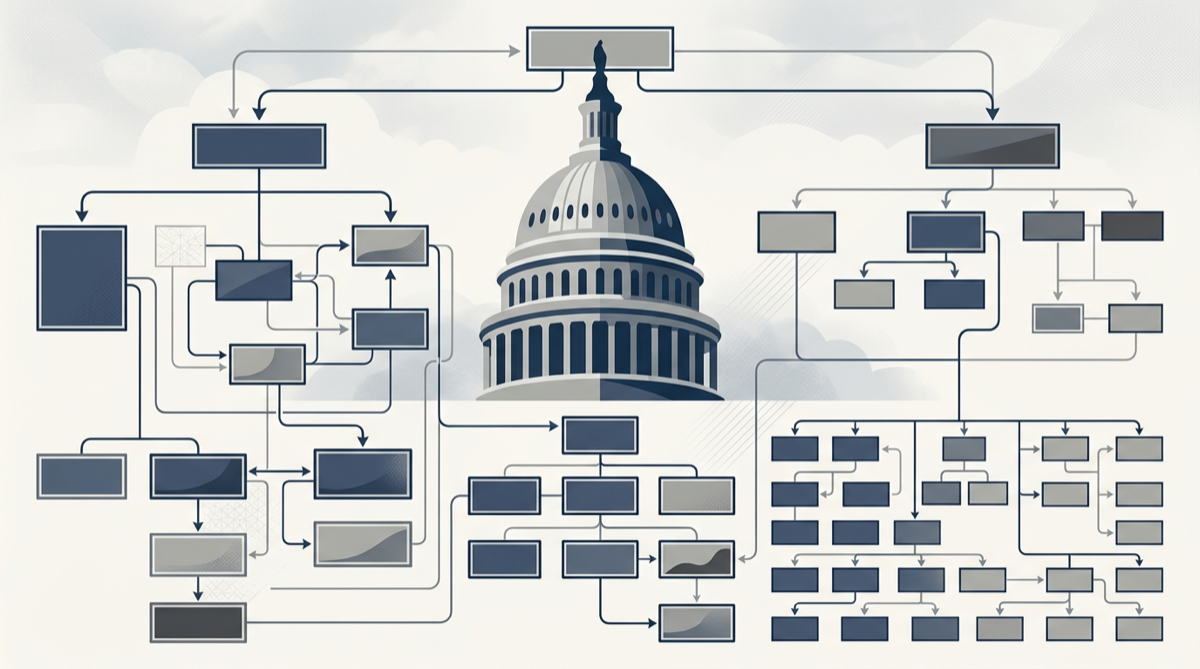 PACs, Super PACs, and Party Committees: A Fundraiser's Field Guide