Recurring Giving for Nonprofits and Campaigns: Setup, Retention, and Compliance
— April 3, 2026 — 2 min read
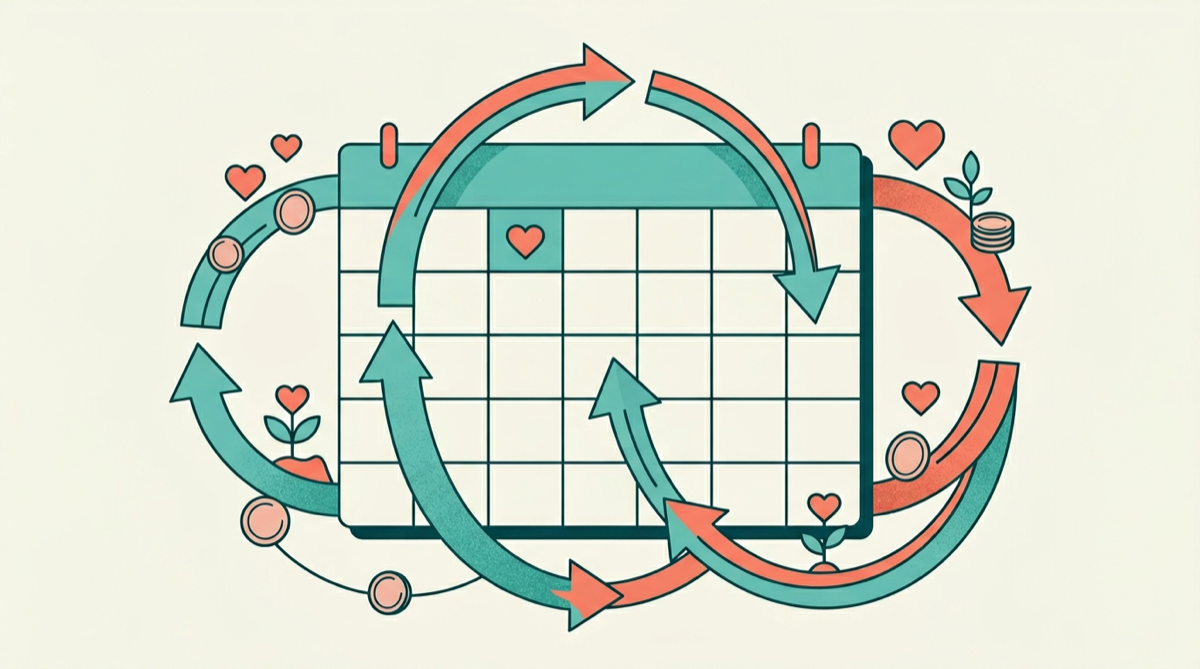
Recurring Is a Different Product Than a Single Gift
One-time gifts pay for a moment. Recurring pays for payroll. You get more predictable cash, lower blended acquisition cost over time, and room to invite upgrades once donors see steady results.
501(c)(3) shops mostly fight failed cards, expired numbers, and donors who don't know what they signed up for. Political committees add federal contribution limits for each election: the total a donor gives toward each election counts, including every installment, so per-donor totals have to stay current as money lands.
Nonprofits: What to Wire Up First
- Consent copy that states amount, frequency, and how to stop (email, portal, or phone).
- Receipts that roll up year to date, plus a written acknowledgment for any single gift of $250 or more (IRS Publication 1771).
- Declined cards retried on a schedule your processor supports, with a short SMS or email when a charge fails.
- Upgrade asks after several clean charges, tied to a real outcome ("$15 a month bought 120 meals; $20 buys 160").
Committees: What Treasurers Ask For
- Running totals per donor across one-time and recurring, split primary and general where it applies.
- Refunds and chargebacks booked before filings, not after.
- Employer and occupation collected early, before aggregate giving crosses the FEC's $200 itemization threshold.
Keep Sustainers in Their Own Lane
Don't mail sustainers the same cadence as one-time donors. Shorter updates, more often. When a card fails, someone should chase it inside two days. Quiet churn is where recurring programs bleed.
Paper Trails
Write down how refunds work, how you document card authorization, and who signs off before a political report files. Our FEC compliance guide covers the committee side. For how campaigns built small-dollar programs at scale, see lessons from political fundraising.
How FundraiserMax Fits
Recurring falls apart when charges, refunds, and election buckets sit in different files. FundraiserMax records each installment as a donation on the contact, tied to the committee and donation account it belongs to, so the running total the treasurer checks before filing sits on the same record as the donor's history. Refunds get their own status on the gift, and reports and batches close the month from that one list. The card charge itself still runs through your processor; FundraiserMax is where the committee-side record lives.
Tags: recurring giving, monthly donations, FEC compliance, nonprofit fundraising
 Donor Advised Funds and Nonprofits: How to Earn More DAF Grants in 2026
 Donor Retention: The Line Item Missing From Most Fundraising Budgets
 Small-Dollar Fundraising: What Political Campaigns Do That Nonprofits Don't