Political Fundraising Texts: TCPA, Consent, P2P vs Automated, and Opt Outs
— February 24, 2026 — 3 min read
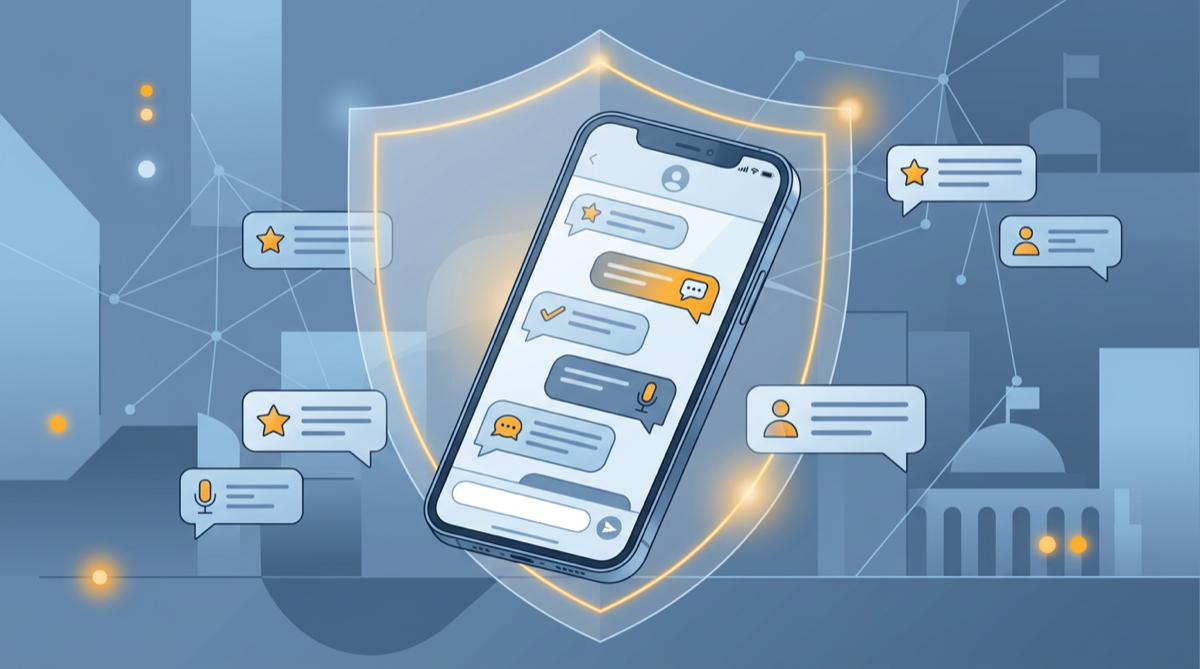
The Rule in Plain English
The FCC lays out that autodialed or prerecorded political calls and texts to mobile phones usually need the recipient's prior express consent. Messages sent by hand, one at a time, without autodialing, sit in a different risk band from large automated sends.
TCPA statutory damages in private suits are $500 per message, and up to $1,500 per message for willful violations (47 U.S.C. 227(b)(3)). "We'll fix compliance later" is an expensive bet when the file has 40,000 numbers on it.
P2P Compared With Blast Programs
Peer to peer (P2P) programs, where staff send texts one conversation at a time, have been standard for outreach. Blast style tools that store numbers and push without a human choice at send time raise sharper TCPA questions.
Map the actual product with counsel. Sales decks aren't legal opinions.
A Short Compliance Checklist
- Log how and when each number opted in, and keep the screenshot or the database timestamp.
- Say clearly which committee or campaign is texting.
- Honor STOP and HELP requests the same day, and suppress the number across every program that might reuse the file.
- Meet 10DLC registration and throughput rules for your use case.
- A few states add tighter telemarketing rules; run at the strictest bar you actually touch.
Charities Don't Get a Pass
501(c)(3) groups asking for money by text are under the same autodialer rule as everyone else: prior express consent before any automated text to a mobile number (47 CFR 64.1200(a)(1)). Charitable solicitation isn't "telemarketing" under the FCC's definition, so the written-consent standard for commercial ads doesn't formally apply to a tax-exempt nonprofit (47 CFR 64.1200(a)(2)). Collect written opt-in with proof on file anyway, because it's what you'll need to show if a complaint lands. Use the FCC consumer guide plus your lawyer.
What Usually Works
Get consent language, the STOP handler, and 10DLC registration in place before the first send. A demand letter is a bad time to discover the opt-in log lives in a former intern's spreadsheet. Keep P2P operations structurally separate from any autodial program.
SMS and Contacts Together
Opt-in evidence and suppression belong on the donor record, not in a side spreadsheet. In FundraiserMax, SMS and email send from the same contact record, so the opt-in note, the STOP, and the gift history sit on one profile instead of three exports. SMS needs a phone number, a paid-plan add-on at $10 per number per month.
Tags: TCPA, political texting, FCC, campaign compliance
 FEC Compliance in 2026: The Filing Calendar, the $3,500 Limit, and Three Treasurer Errors
 Compliance Nightmares: Five Campaign Finance Mistakes Committees Keep Making
 PACs, Super PACs, and Party Committees: A Fundraiser's Field Guide