Straw donors, missing employer data, a personal credit card, one sentence in a 501(c)(3) email, and a termination report nobody filed. Five patterns from FEC and IRS enforcement, and the intake habit that stops each one.
Count the subscriptions on your card statement, then count the ones staff opened last week. Here is the three-tool stack a development office needs, the optional fourth, and the five subscriptions most organizations can cancel this quarter.
Texting can raise serious money from small donors. Autodialed texts to mobile numbers are where federal law gets strict. Campaigns stay inside FCC and TCPA lines when every opt-in is logged with a timestamp and every STOP is suppressed across every list the same day.
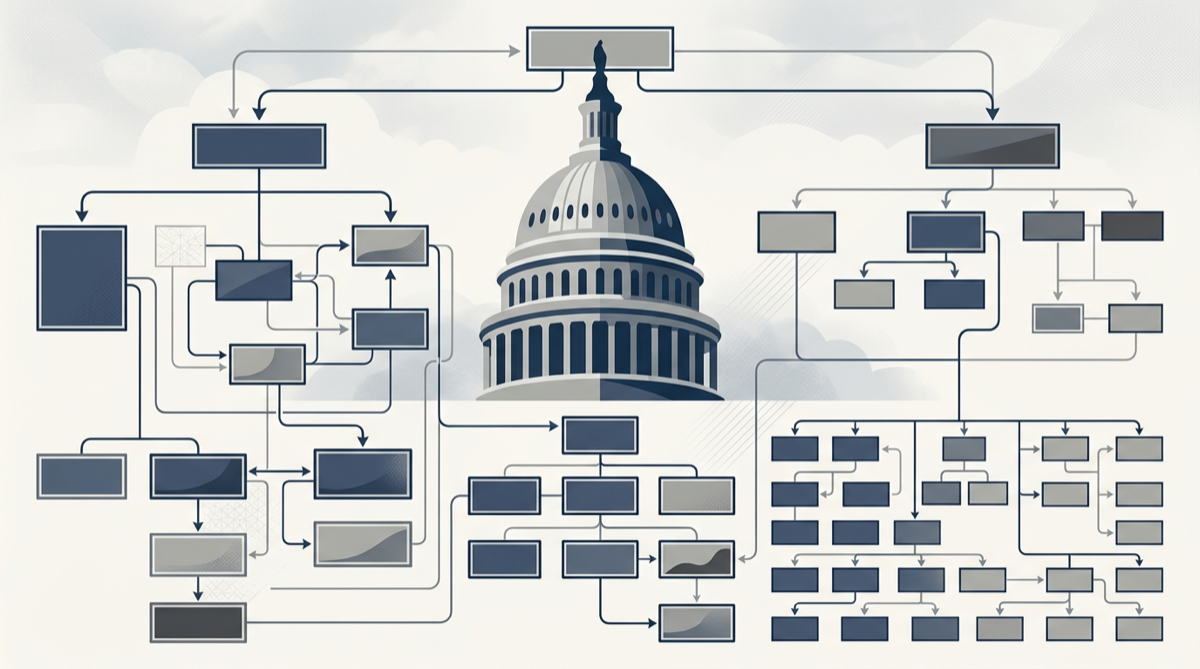
You don't need a law degree. You do need a clear picture of who can give how much, and which committees may coordinate. A practical map for staff who touch money.
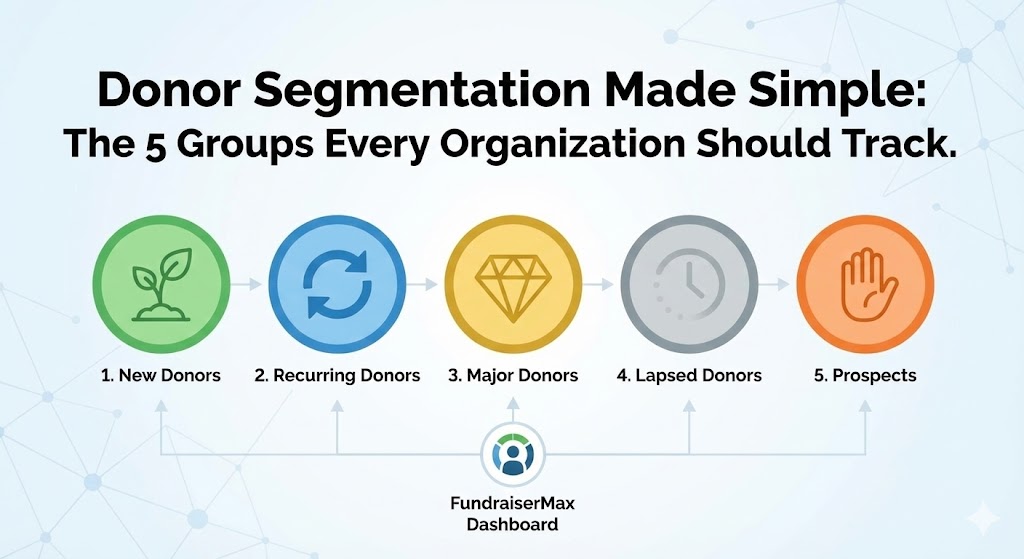
Five donor groups you can build from five fields already in your CRM, one message per group, and the single metric that tells you whether each one is working.
Employer match programs turn one donor gift into two. The second gift goes missing after the donor has already said yes: a moved portal, a passed deadline, a form nobody filed.
When supporters collect checks or several committees share a stage, separate FEC rules apply. Joint activity stays reportable when the split and the solicitation language are written down before the room fills.
Stock and DAF payouts are routine now, and crypto shows up often enough to need a policy. Intake, acknowledgments, and a written gift acceptance policy matter as much as the asset itself.
Grants pay for programs and end when the program officer moves on. Individual gifts are smaller and mostly unrestricted. Three board questions and three numbers to keep the mix deliberate.